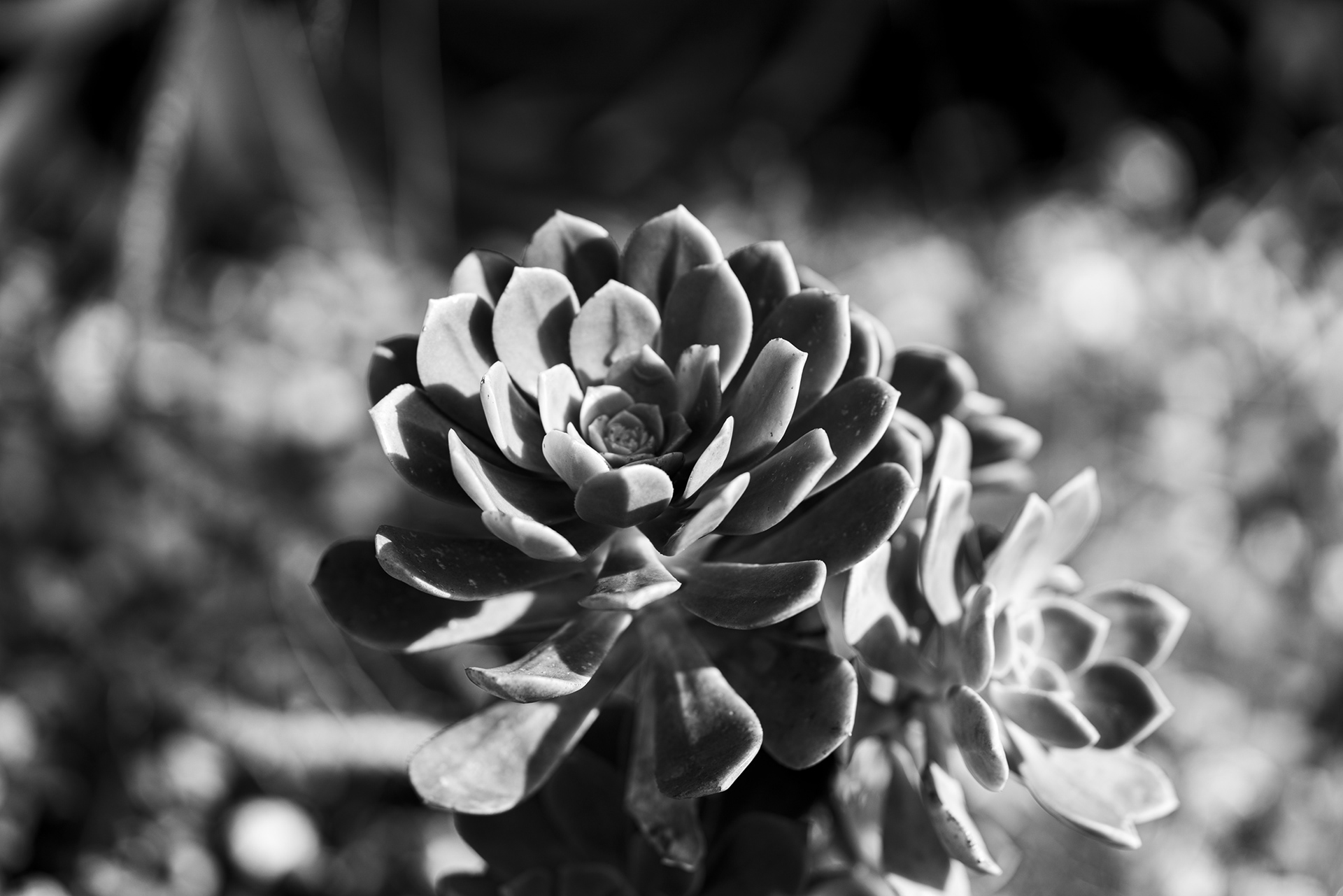
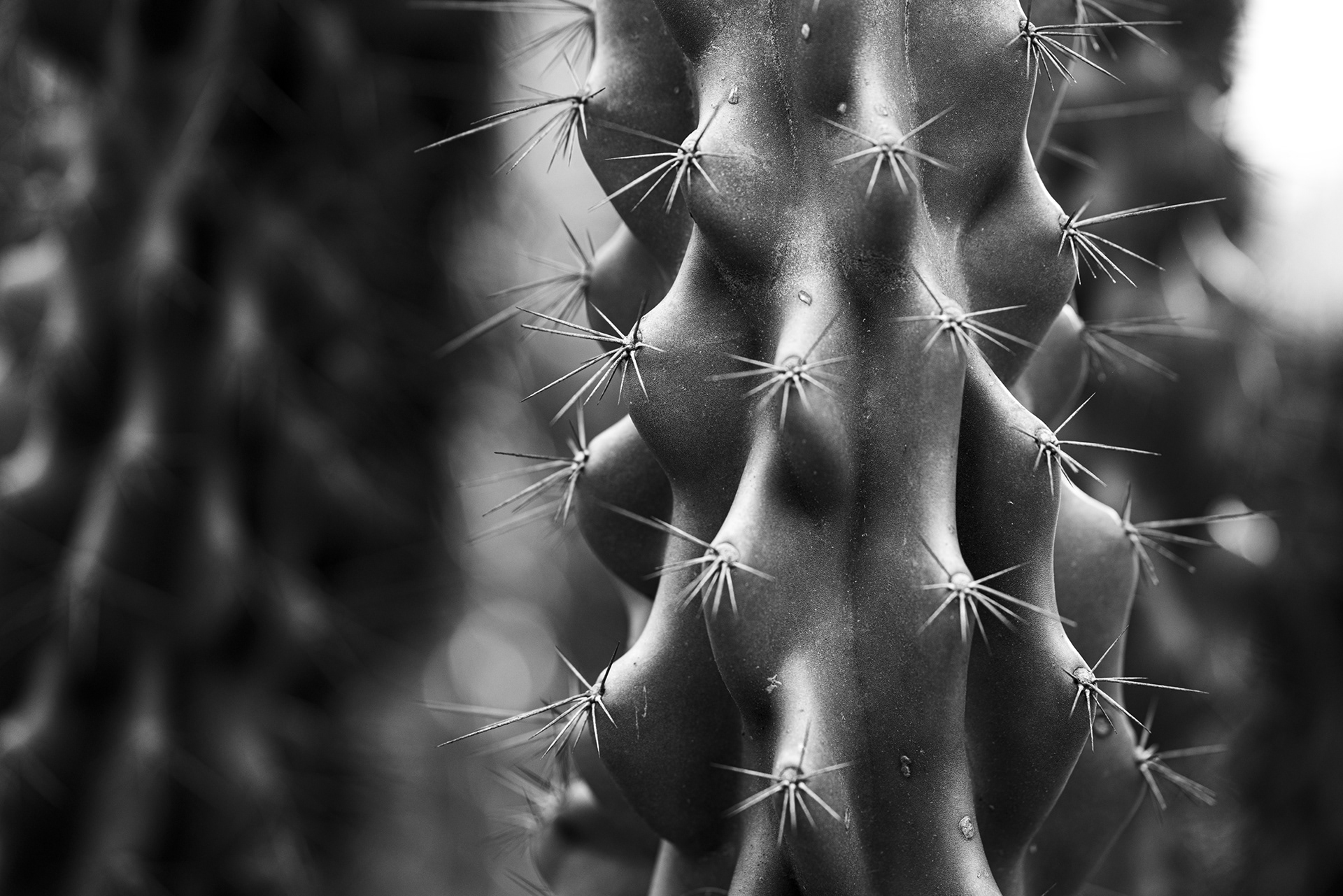
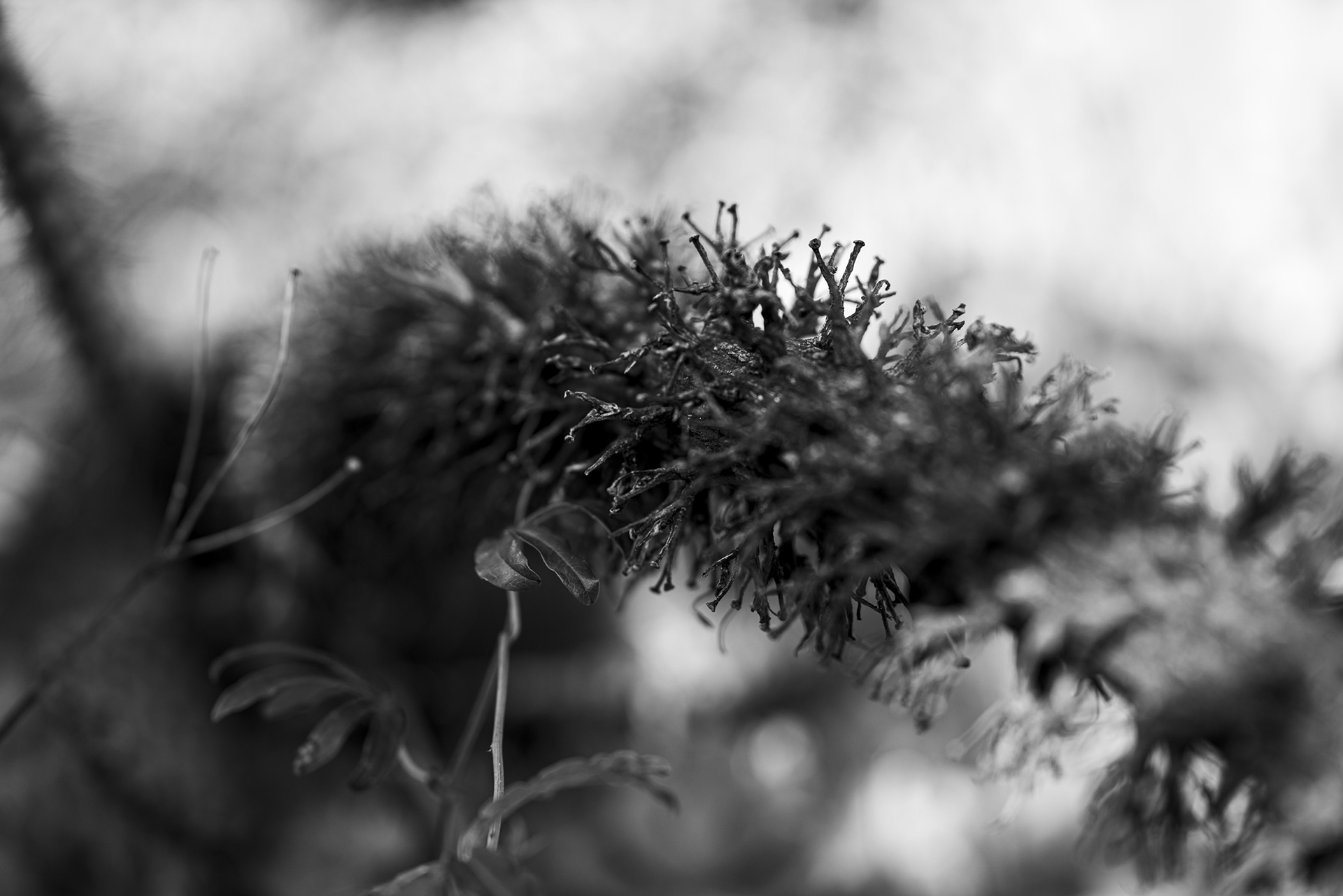
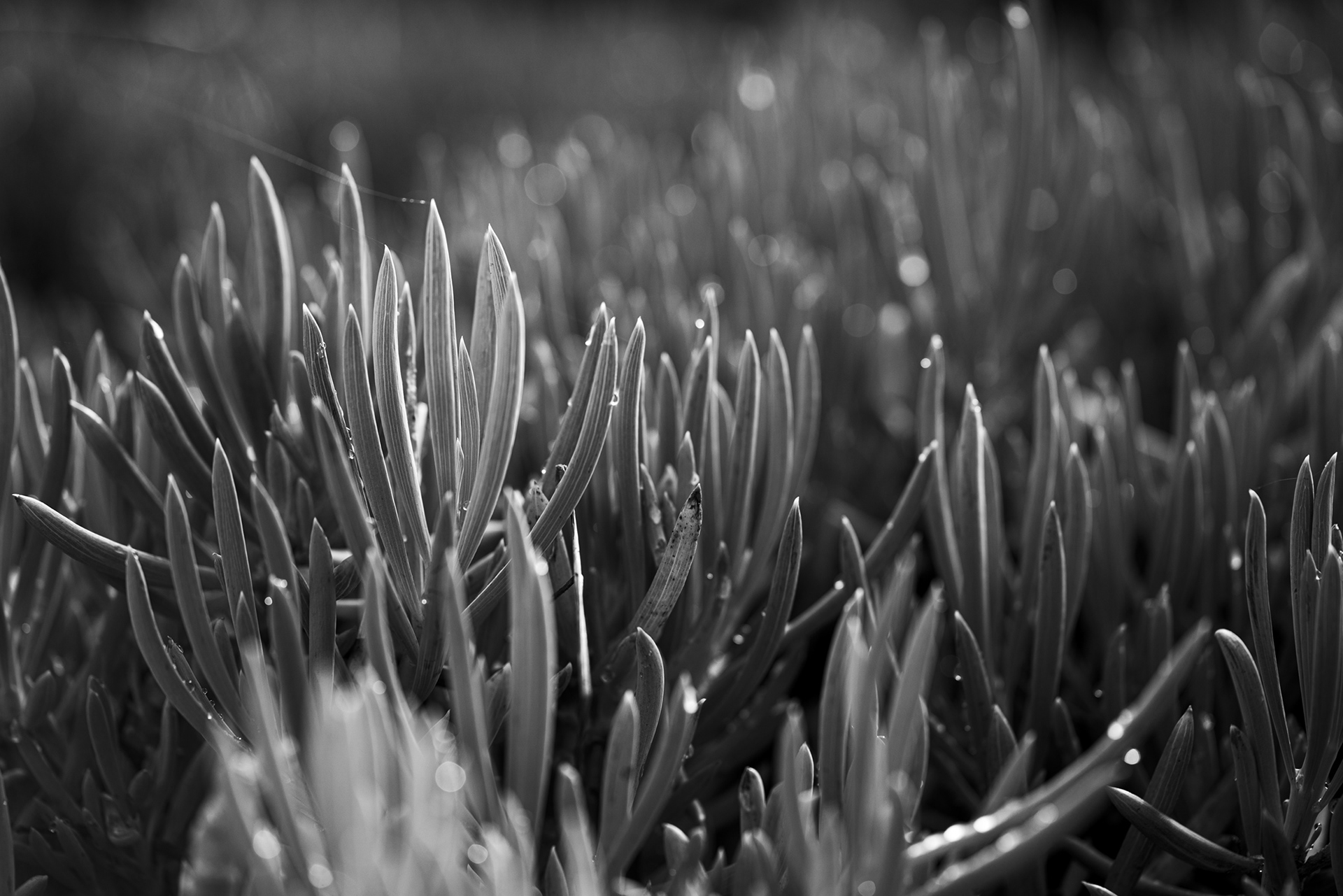
Synopsis
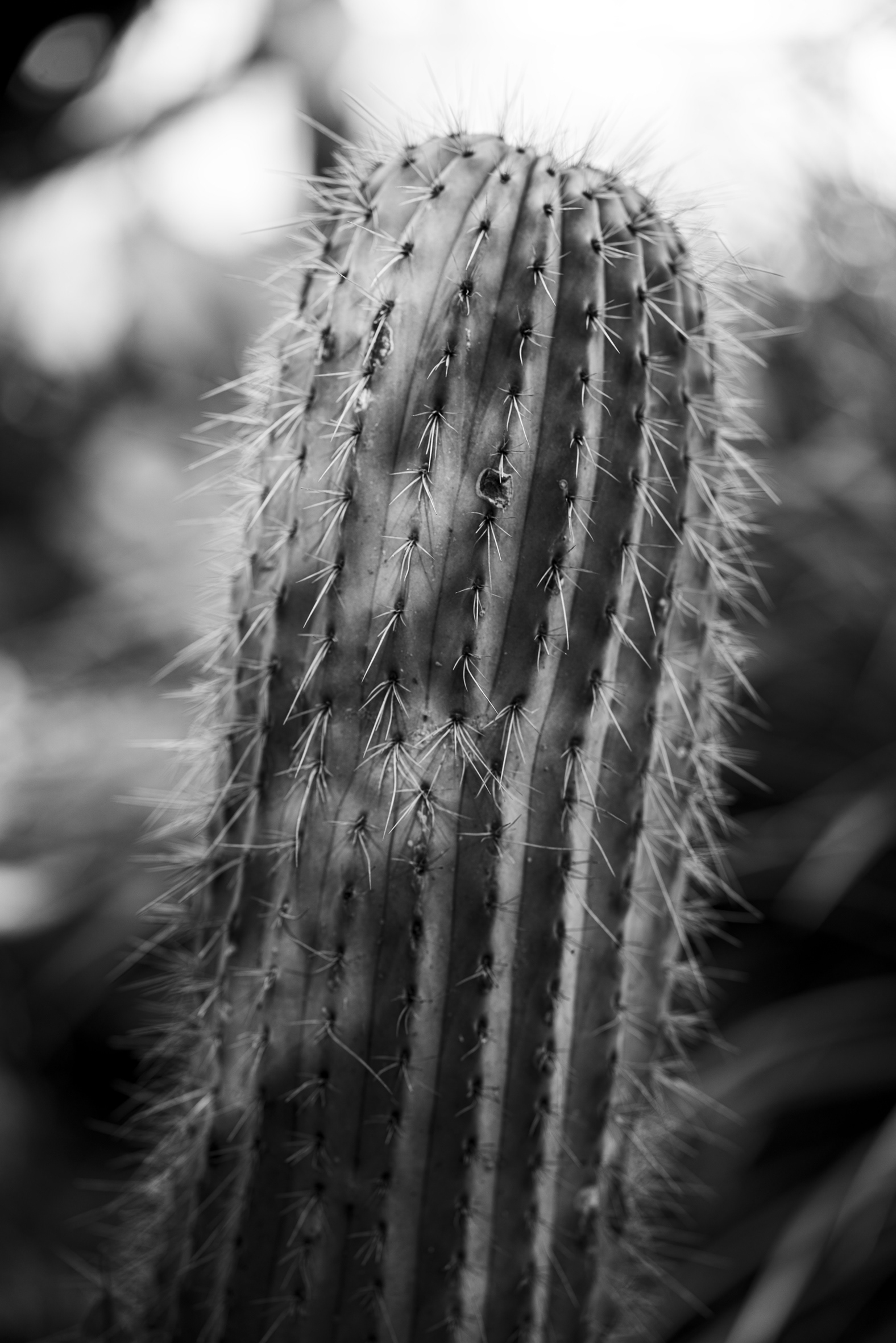
Currently, approximately 142 genera and 1,793 species of cacti are recognized—plants that assert themselves through their singularity and their capacity for extreme adaptation. Beyond their ornamental presence, these plants carry ancestral functions: they are food, medicine, and protected body, where spines rise like an architecture of resistance.
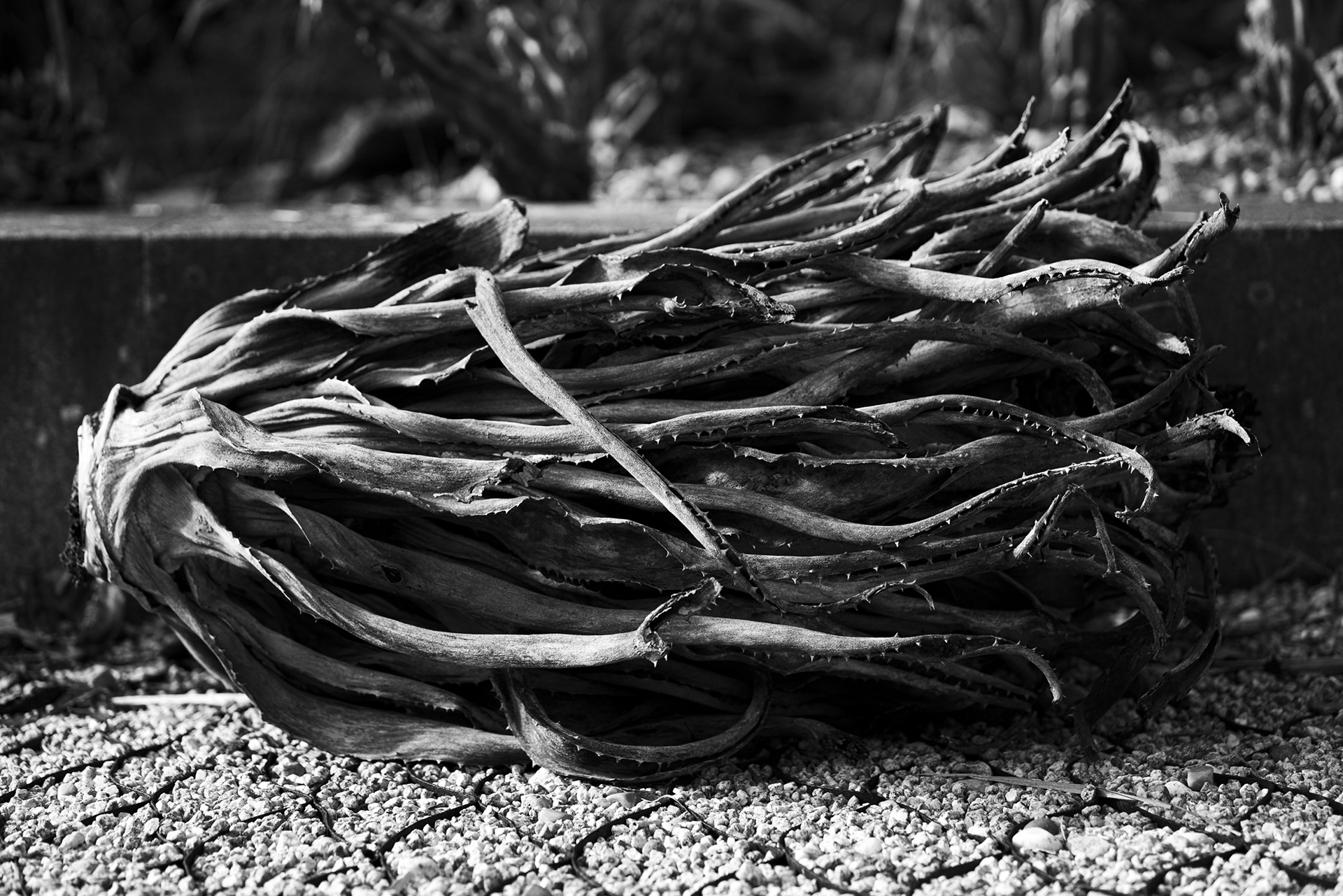
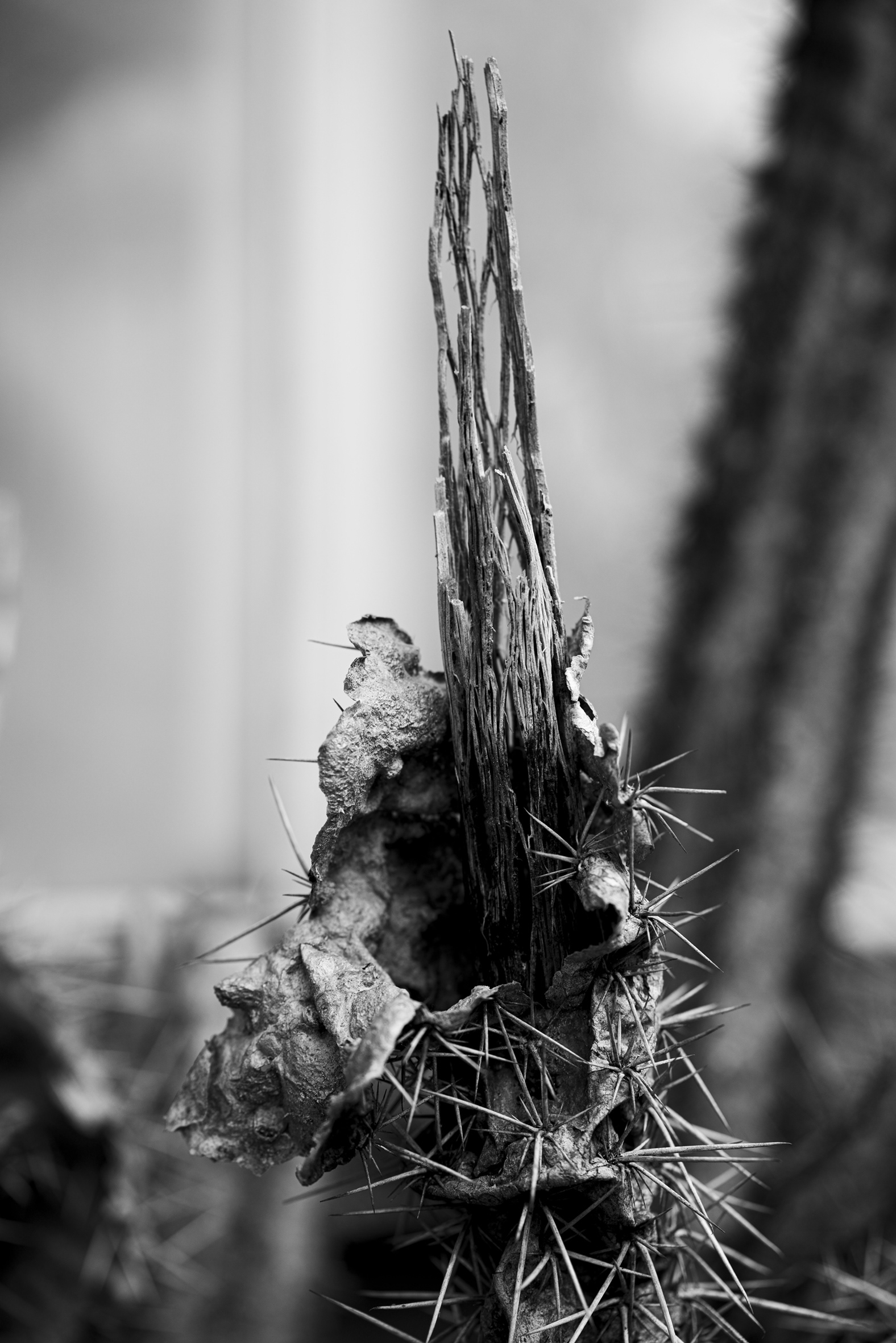
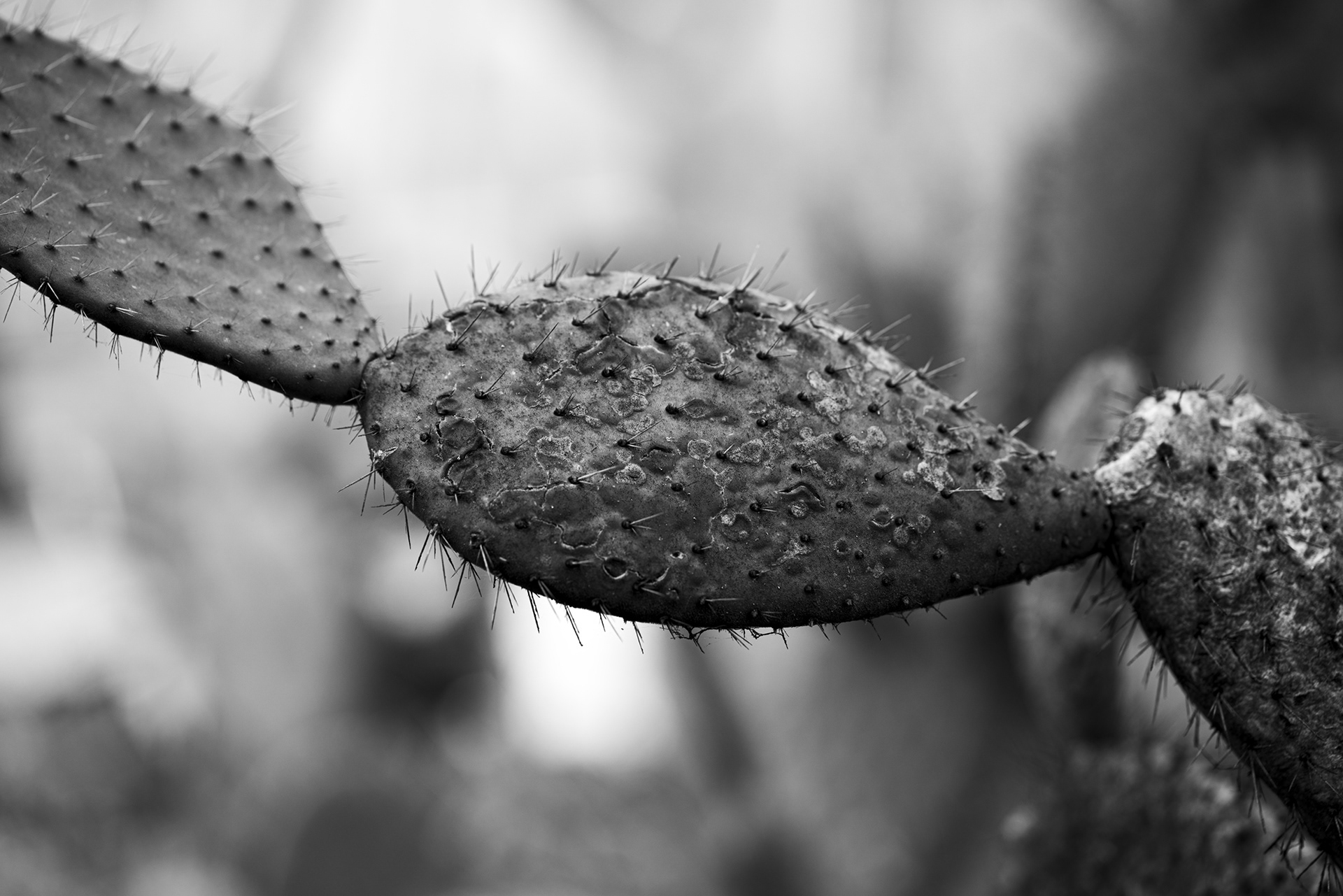
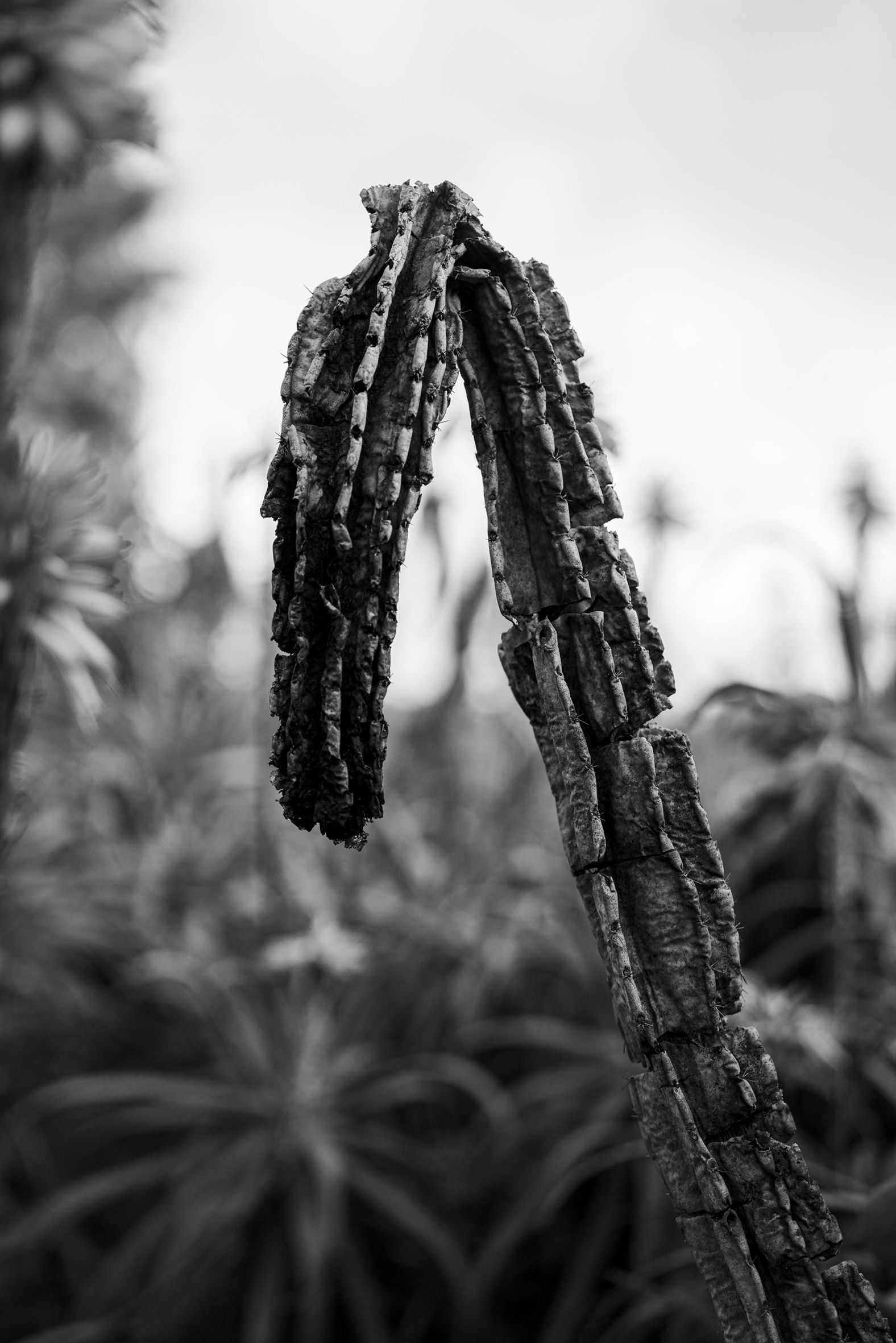
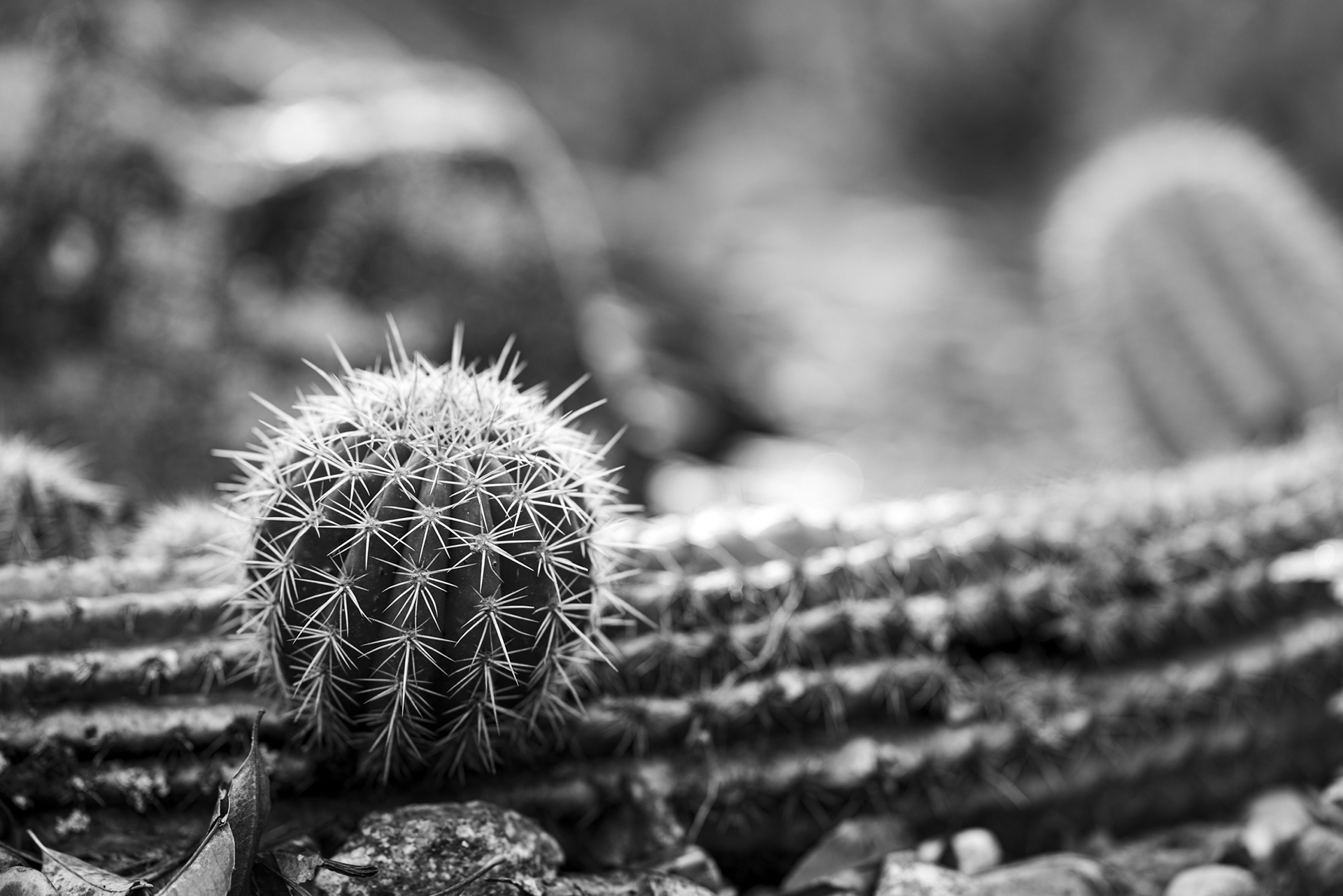
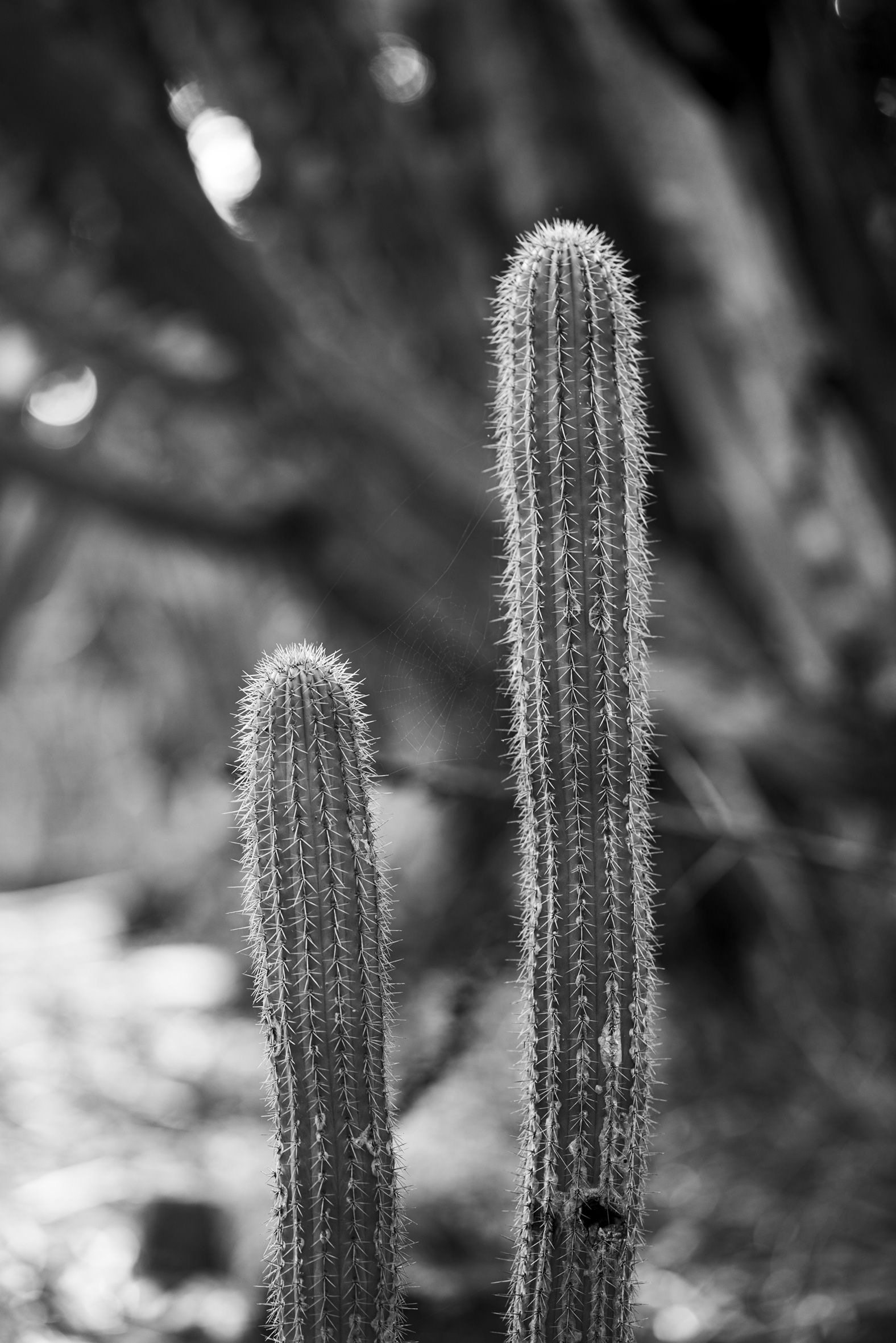
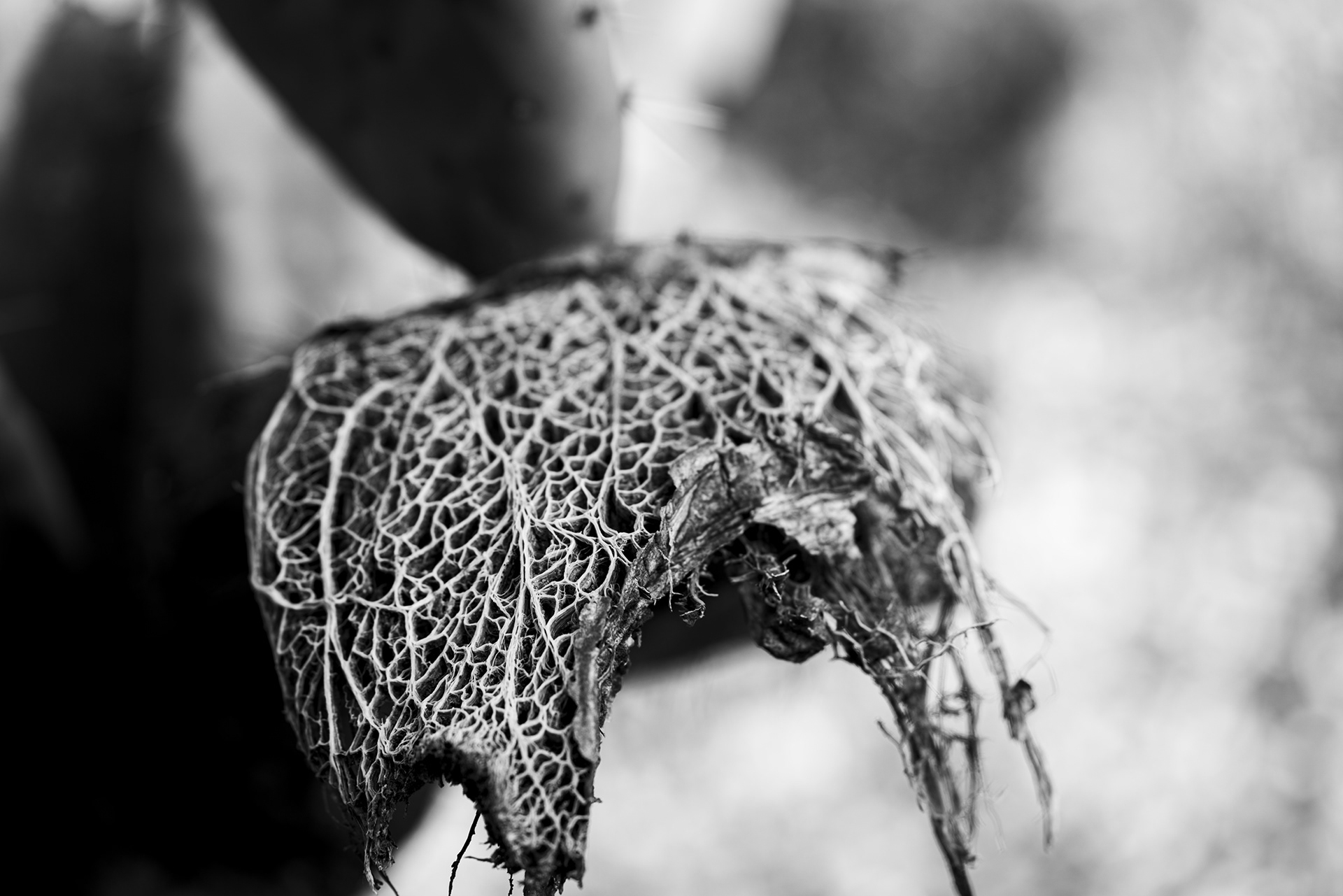
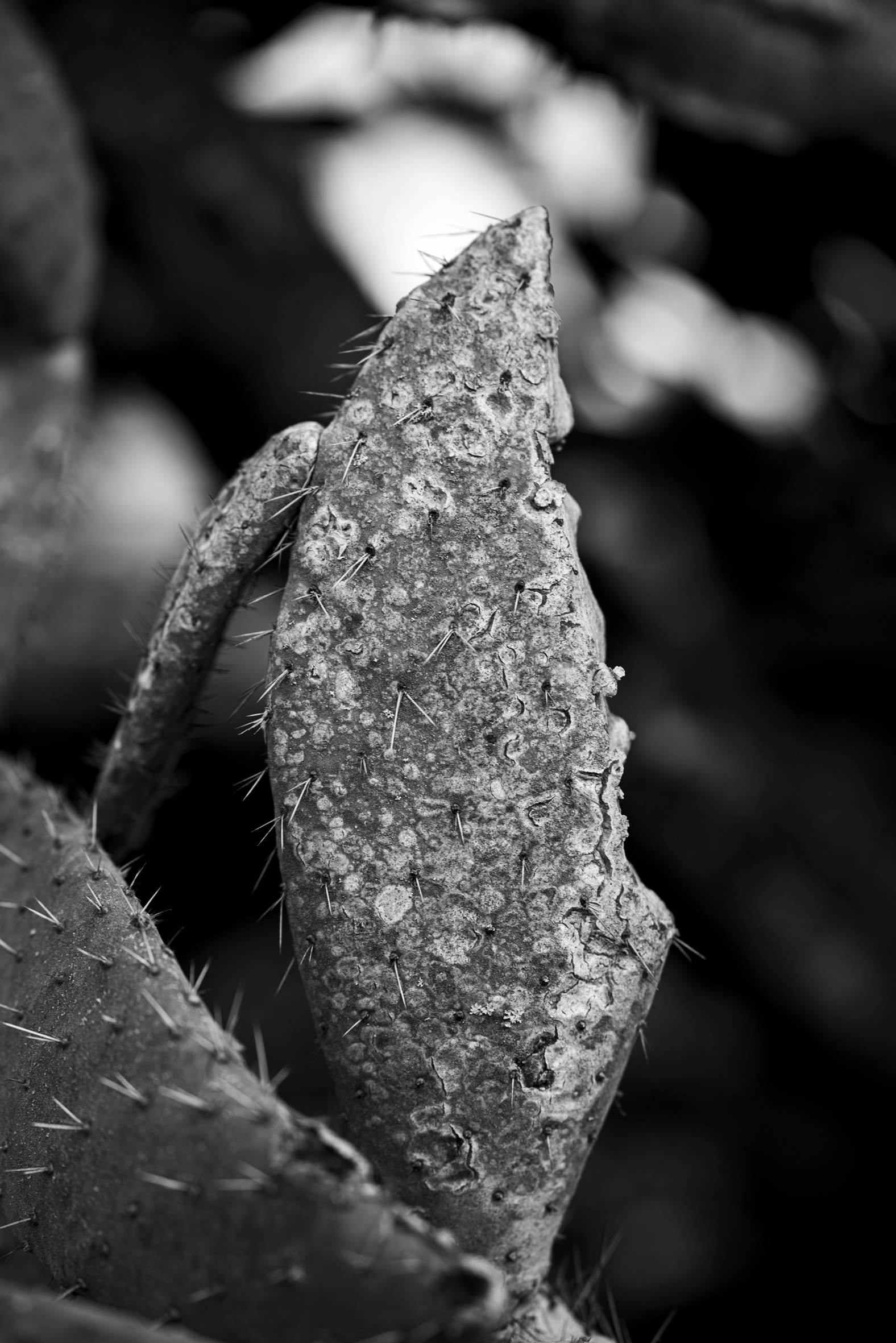
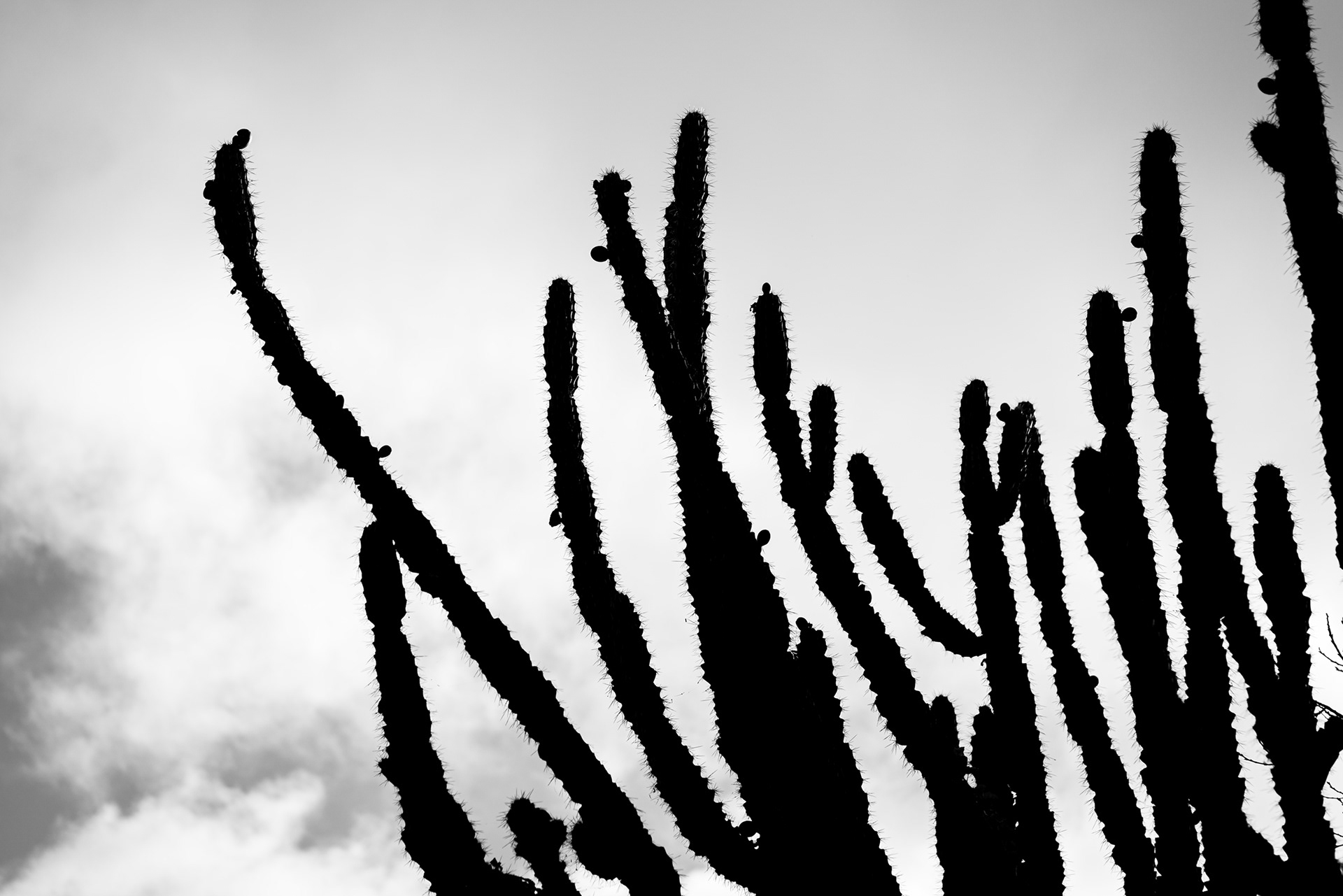
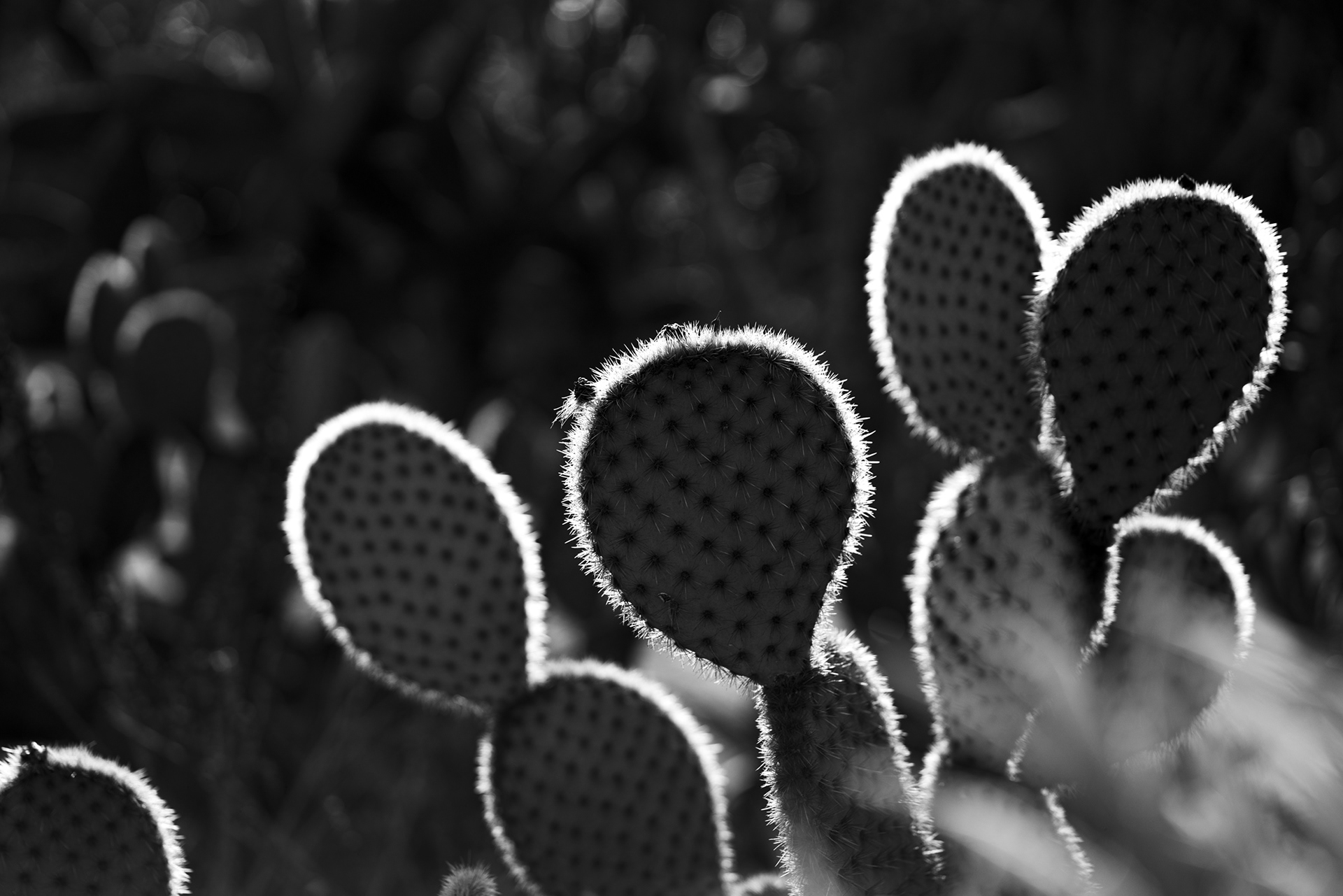
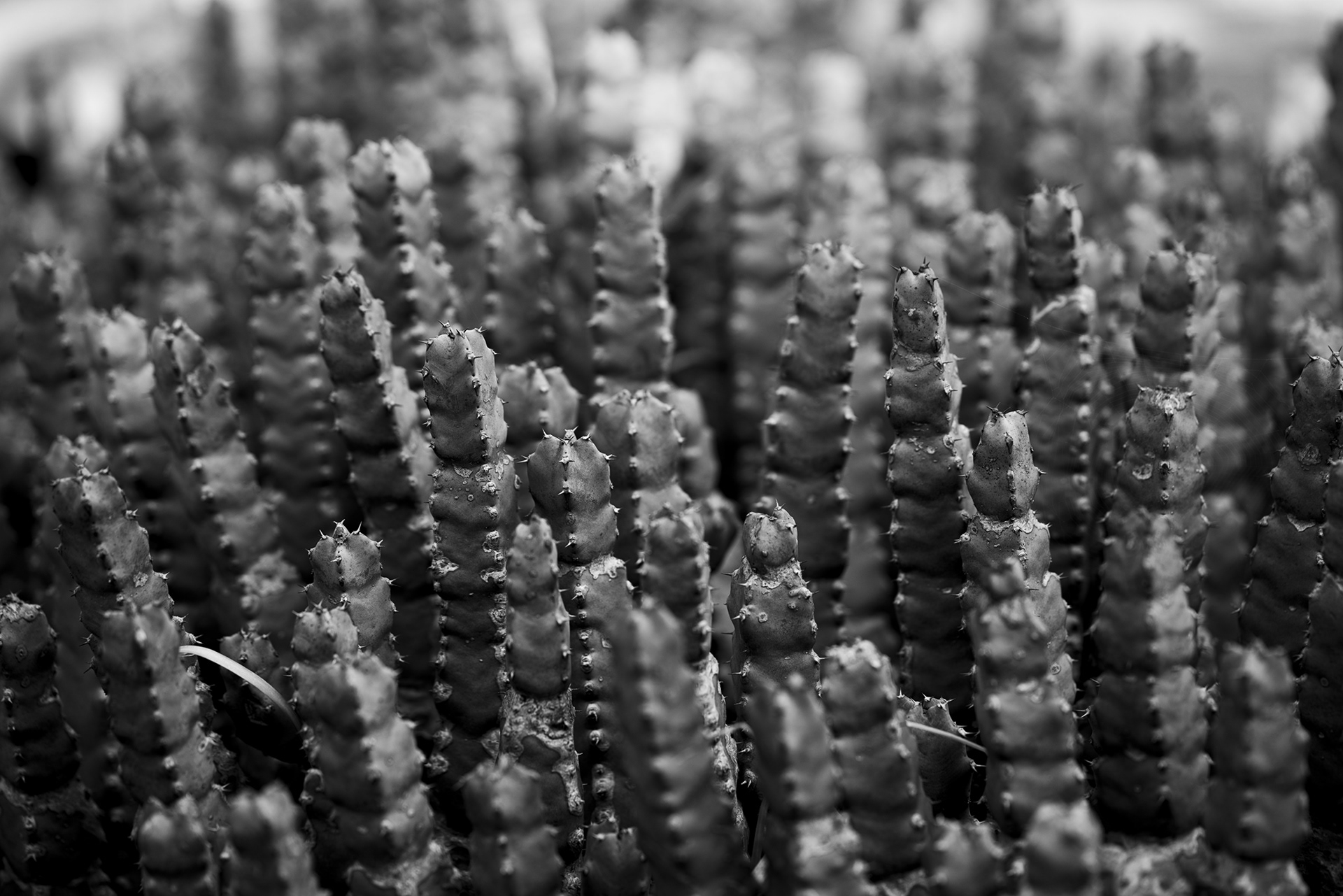
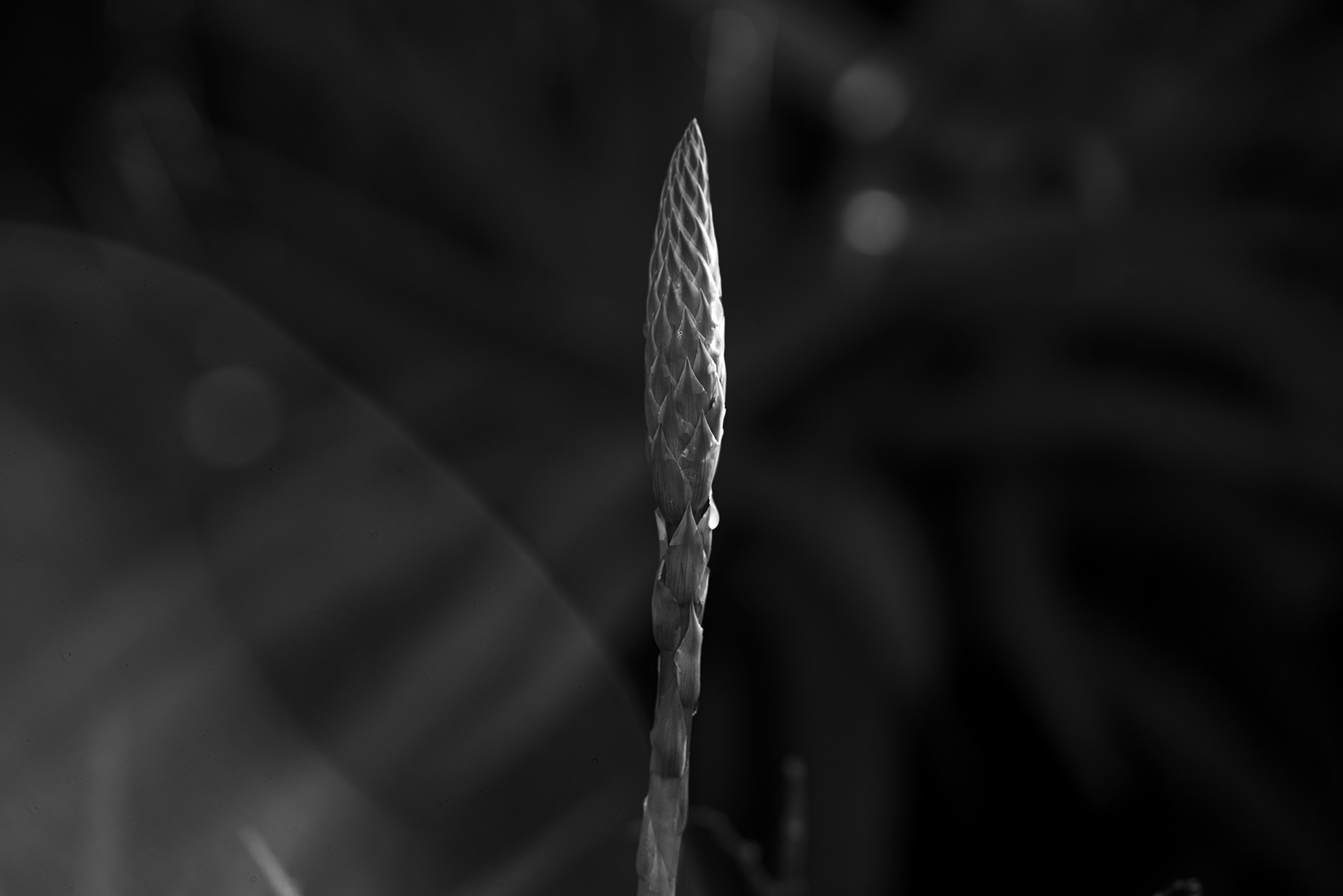
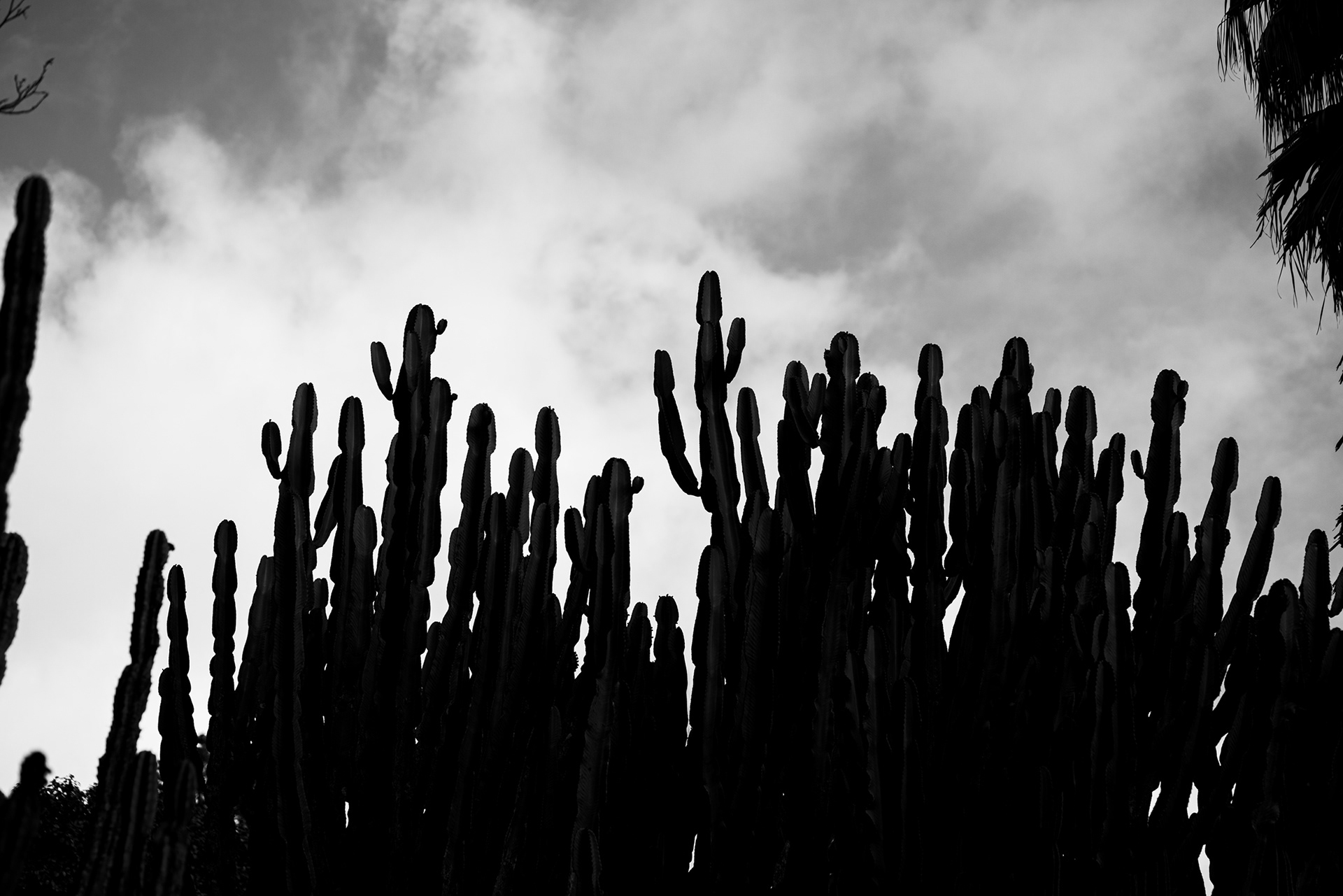
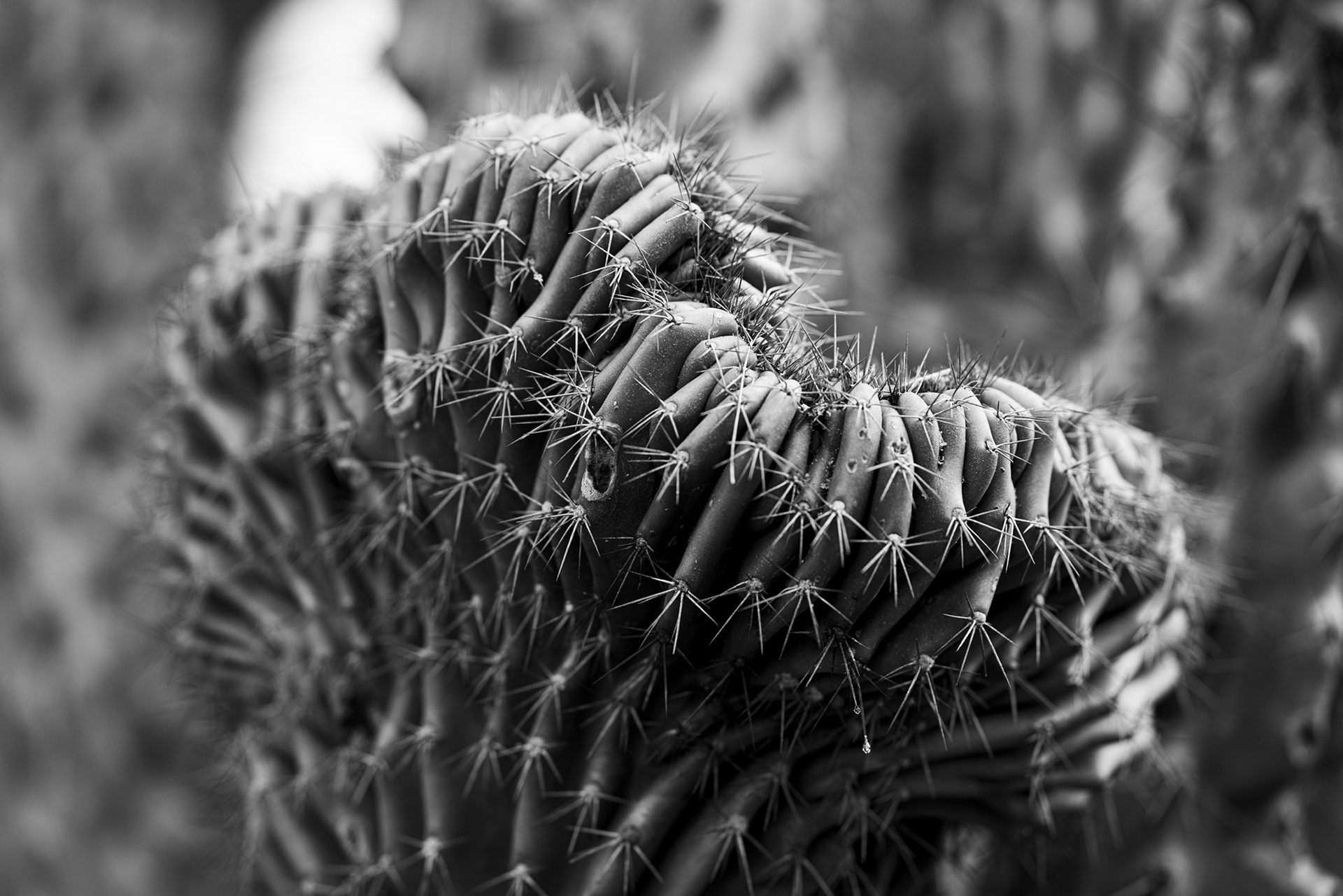
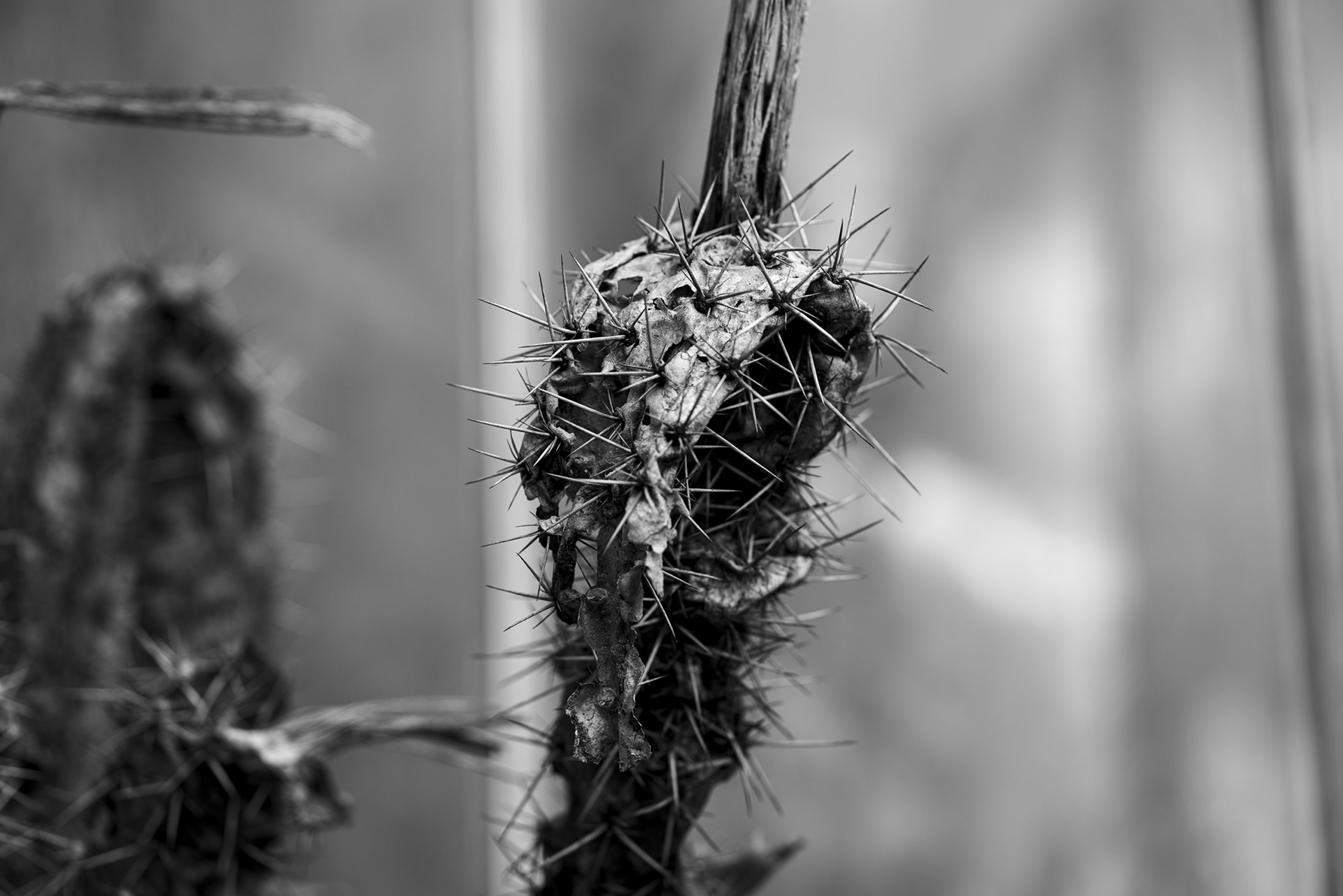
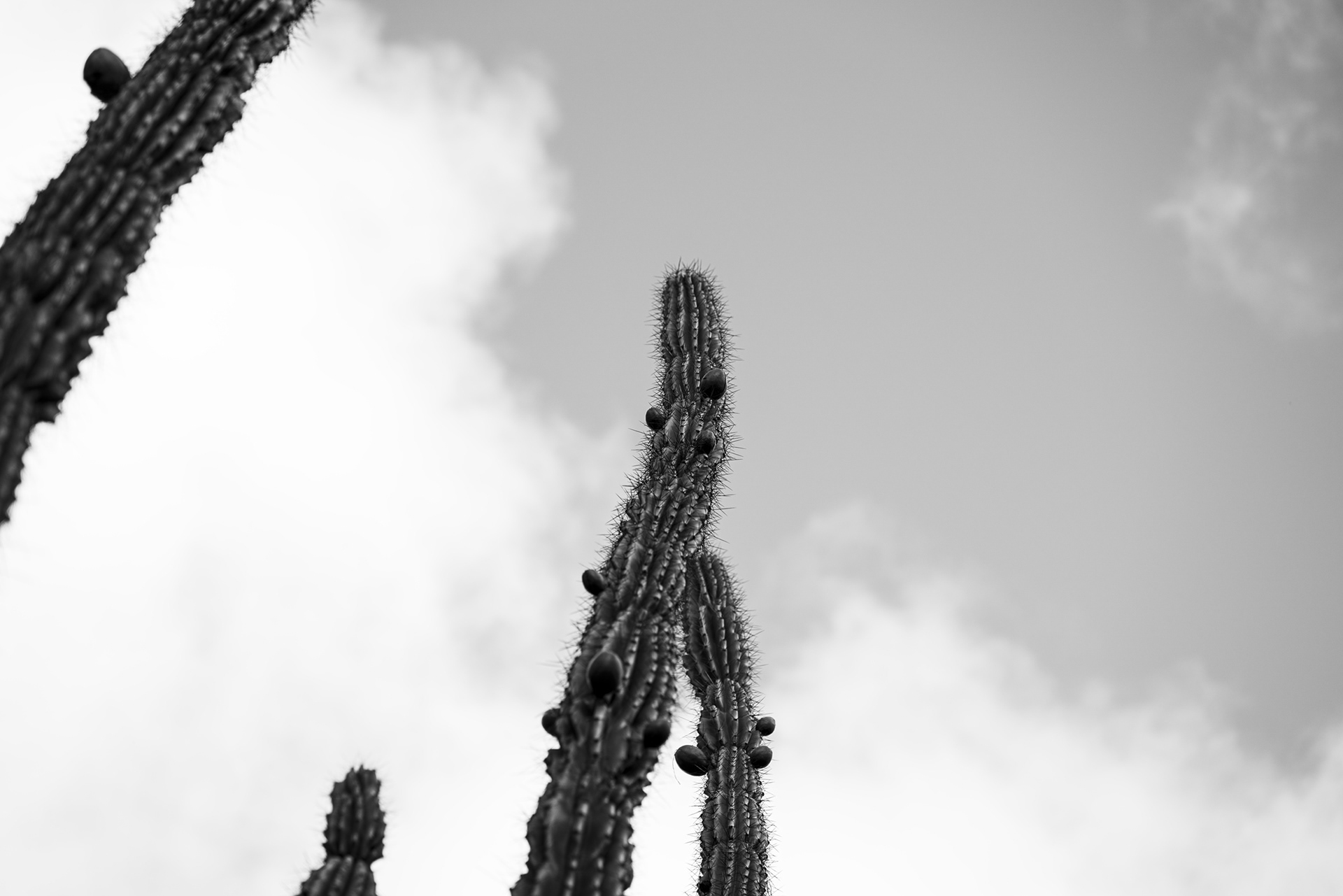
This project approaches these forms as sensitive matter. Between shifting scales and complex anatomies, observation moves from botany into a more contemplative field, where detail becomes language. From stems to the rhythmic repetition of spines, each fragment reveals an internal logic in which survival inscribes itself as form and adaptation manifests in an essential beauty.
The images were captured in the Cactus Garden of the Botanical Garden of Porto, a xerophytic space conceived in the late 1950s. Within this environment, light acts as a shaping agent: it carves volumes, heightens textures, and suspends form. Shadow ceases to be absence and becomes structure, densifying the gaze.
“Nature educates us into beauty and inwardness and is a source of the most noble pleasure.” (Karl Blossfeldt)